Entrada #1
Social Construct

During our homestay here in Granada, we have had the opportunity to have some great conversations with our host family about the culture of Spain, which has been quite a unique experience. As we have learned about the culture of Central and Southern Spain, it is part of the culture to close businesses from about 2:00-4:00, travel home to eat lunch, take a siesta, and then return to work and work into the evening. As CultureSmart! shares, this tradition is becoming less common because people don’t want to take the time to travel home, but many people still participate and it is still the normal culture (Meaney and Viguer, 2016). Our homestay parents shared that they do not like the social norm, and they want the government to change the tradition. As our homestay dad works outside of the home, he said that he does not like the schedule, and it is inefficient to go to work twice every day. Because this is such a big part of the society of Spain, I was surprised to learn that some Spaniards want to eliminate the tradition and change the social construct.
Spaniards vs. Americans, What’s the Difference?
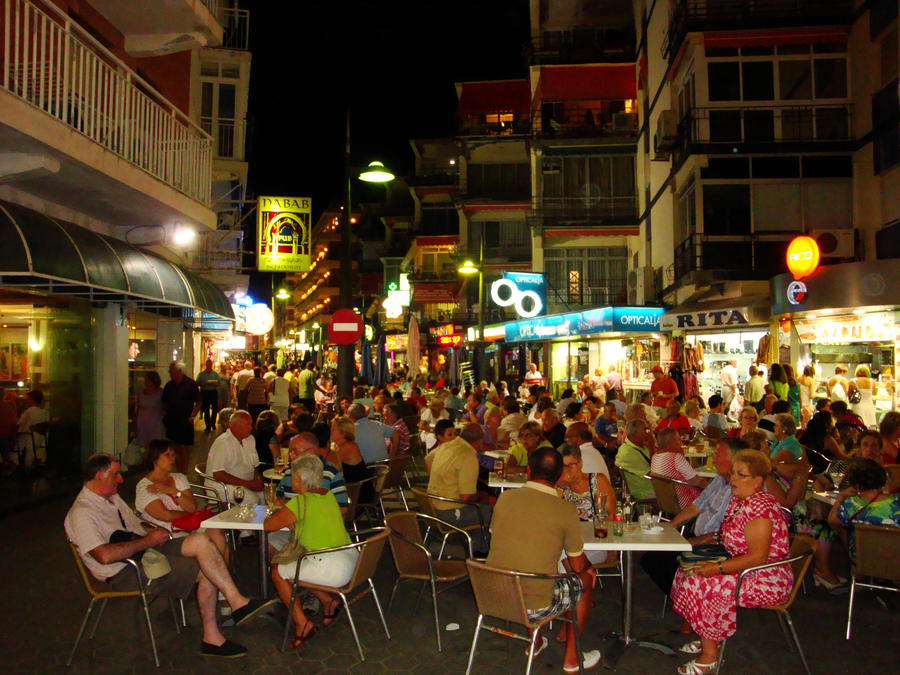
One of the biggest changes between American culture and Spanish culture I have noticed is the focus on social outings and the night life in Spain. In America, people usually go out with friends on weekends and stay out late, but in Spain, people are out every night until very late and then still get up in the morning to go to work. Spanish people seem to be much more social and relational and value the casual experiences with friends and family in the evenings. Specifically, our host parents went out one night and said they would be back by 1 a.m. so they wouldn’t be out late. I found this to be very surprising because in the states, 1 a.m. is quite late for many people, even on weekends. In Spain, most bars are open until 2 or 3 a.m. and then people often move to clubs that are open until about 5 or 6 a.m. After the club closes, some people get churros before going home. Somehow, they still manage to grab a few hours of sleep before going to work the next morning (Meaney and Viguer, 2016). This schedule is quite shocking to me because I am used to being in my house by 11 p.m. every night and getting 7-8 hours of sleep each night. However, this just shows the unique culture of Spain and the value they have on the social part of their culture.
What About Me?
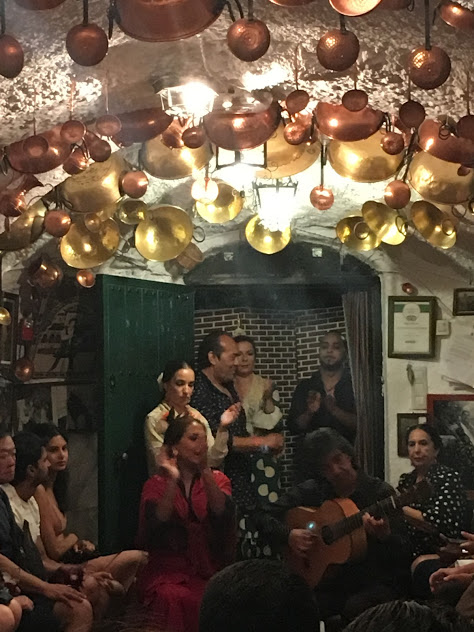
Flamenco is an important part of Spanish culture and combines vocal music with clapping, guitar, and rhythmic dancing. The art has experienced changes over the years and each piece has been added individually to get to what we know as Flamenco today (Meaney and Viguer, 2016). I loved getting to experience this famous part of Spanish culture and gain a better understanding of the art. I was surprised by the experience, however, because it is not what I was expecting. I was expecting to walk into a large venue, sit in rows of chair, and face a big stage where the performance would take place. I was essentially expecting a theatre atmosphere. Instead, we were in a small room with a small platform in the middle with guests surrounding the platform. Even though the set-up was not what I was expecting, I think it made the experience feel more personal and authentic. The only thing I did not like about the experience was that it was difficult for those of us who were in the double rows to see everything. The experience was amazing though!
Entrada #2
Social Construct
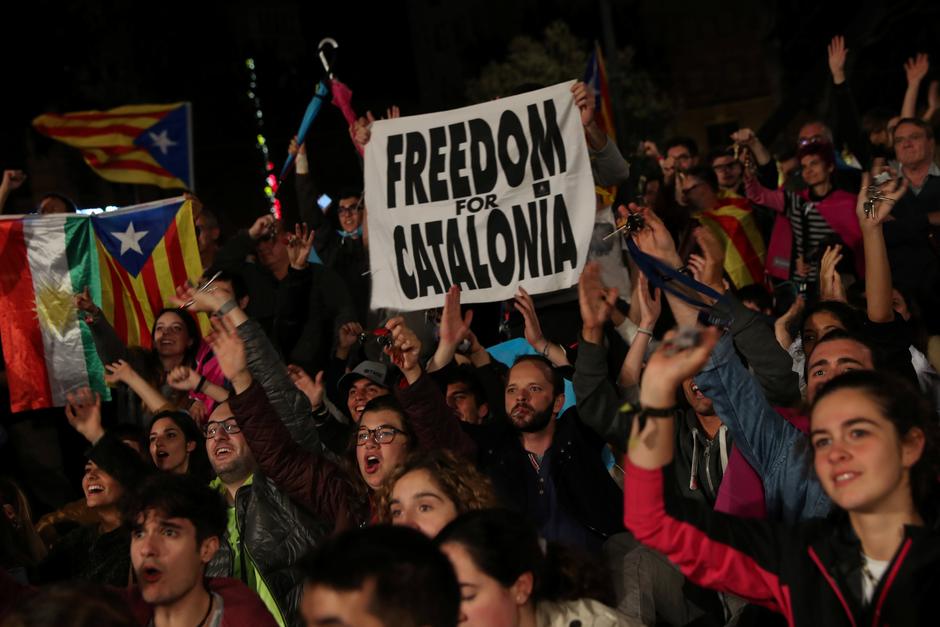
When reading CultureSmart!, readers can learn that the country of Spain is divided into different regions and each one is very different. The people of each region are very proud of their origins and sometimes outsiders think that Spaniards are individualistic because they take so much pride in their region (Meaney and Viguer, 2016). This individual region construct came about in a conversation we had with our host family because they shared that Barcelona is trying to break away from Spain and become their own country. Because many areas of Spain do not have ties to one another, Barcelona wants to be on their own and self-govern. Because Barcelona is a hub for trade and has a huge economic market, Spain would be greatly affected if it lost that market and the economic benefits. This is creating a battle between Spain and Barcelona in the efforts for Barcelona to break away.
Spaniards vs. Americans, What’s the Difference?

In the society of America, women are obviously sexualized, and some people do not have respect for women. Some men view women as objects or property. This image that America has of women is portrayed in movies, TV shows, advertisements, and in other ways. These messages are transferred to people in other countries and some men view American women in this way. We experienced this perspective of women during our stay in Sevilla while we were at the restaurant we ate our meals at. Some of the girls in our group experienced gestures from the waiter like putting his hands on their shoulders, pulling their hair, getting close to their face, and other things. Part of these gestures were because he viewed them as exotic American women, but part of it is also likely because of the way American women are portrayed in the media. CultureSmart! notes that state censorship was relaxed in the late 1970’s and the culture of Spain has become much more sexualized and forward regarding things like movies, advertisements, pornography, and more (Meaney and Viguer, 2016). This shift in sexual thinking may contribute to the way the waiter acted toward the American women he encountered.
What About Me?
One of the challenges I have been experiencing during the activities we are doing is staying engaged during the tours and visits. It has been wonderful to get to hear some of the history and details about certain buildings and time periods from a professional. The tour guides are quite helpful because they provide information to us that we would not be able to gain on our own. However, after doing a few tours day after day, it is difficult to remain engaged in things that seem very similar to one another. This is particularly challenging because I am not enthralled by history, but also because our trip has been full of activity and I am not always well rested and prepared to absorb a lot of information. I have loved learning some of the history of Spain because it is not something that I can do in the same way in America, but it has been challenging to absorb all the information the tour guides have been providing us. There is a lot of value in the history of Spain and it is important to learn (Meaney and Viguer, 2016), but it is still challenging to take it all in.
Entrada #3
Social Construct
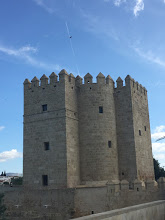
Spain is a country that is full of history and it is an important part of the nature and importance of Spain. Experiencing the old history in a place like Spain is a unique experience for us because America is a very new country and we do not have historical sites like there are in other areas of the world. The history of Spain is important to the social construct and culture of Spain today. While many natives do not visit museums and historical sites on a regular basis, many people are familiar and aware of the history in the region they live in (Meaney and Viguer, 2016). Some of the important sites we have visited that are important to the society of Spain are religious and government buildings in Sevilla and Cordoba, the Alhambra, and the historical end of Granada. On the tours we have been on, the tour guides have shared that even in modernizing the buildings, the renovators have recognized the importance of the history and they made efforts to preserve the original buildings. This allows an opportunity for people to visit these sites and understand the history that Spain’s society is built on.
Spaniards vs. Americans, What’s the Difference?
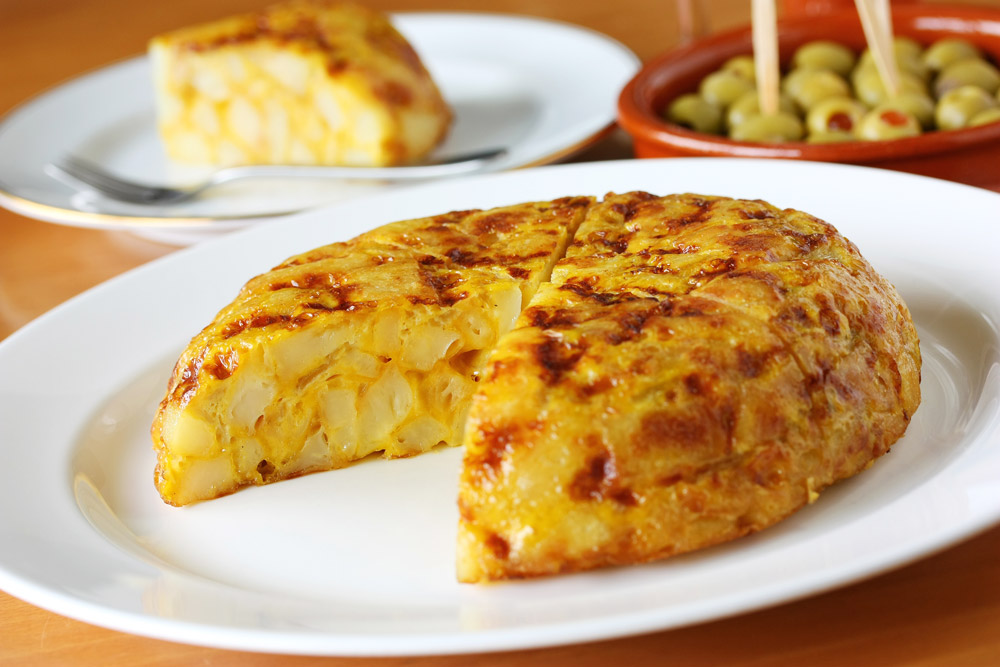
Food is a very important part of Spanish culture and it is expected that people eat big portions and appreciate the meal as much as the natives do. If someone does not eat a lot of food, the cook thinks the guest did not like the food (Meaney and Viguer, 2016). We experienced part of this culture and the forward nature of Spaniards in the restaurant in Sevilla. During some of the meals, the waiter was very forward and asked us why we did not eat our food. This bold attitude would never be present by a waiter in the states. However, Spaniards value the food they prepare, and they are much more forward in social and relational situations. They often speak what is on their mind and do not hide their feelings. This situation was very uncomfortable for many of us because we are not used to people being so direct, but it was a great culture experience to see the differences between Spaniards and Americans in a conversation.
What About Me?
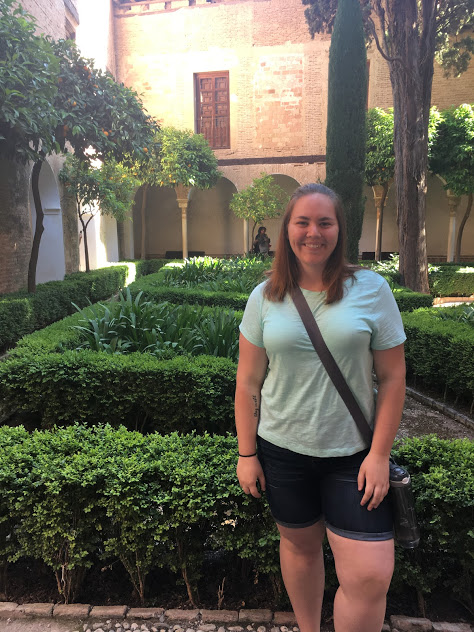
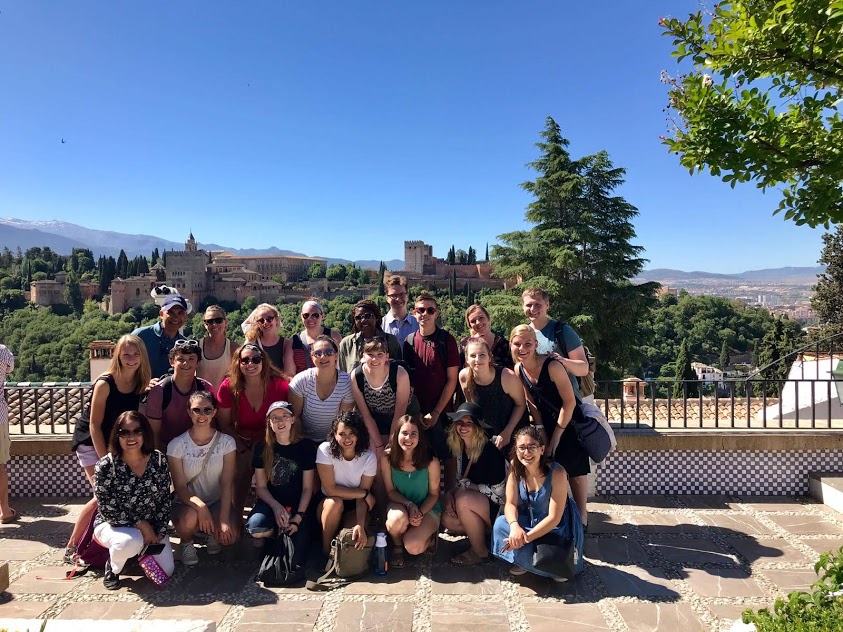
Friday was my absolute favorite day of the trip so far. We visited Alhambra and it was gorgeous! I loved the architecture of the buildings, the views of the city, the gardens, and the wonderful memories I made with the group. It was so cool to see history, architecture and nature come together in one location to compliment each other so well. It was also a unique experience to get the see Alhambra from the city’s viewpoint on Sunday and then get to see the city from Alhambra’s viewpoint today. Alhambra is an important part of the culture of Spain as it is unique Moorish remains that give visitors a perspective on the history of Spain (Meaney and Viguer, 2016). I am so grateful for this amazing experience and it was so much more than anything I could have imagined.

 Spain!